




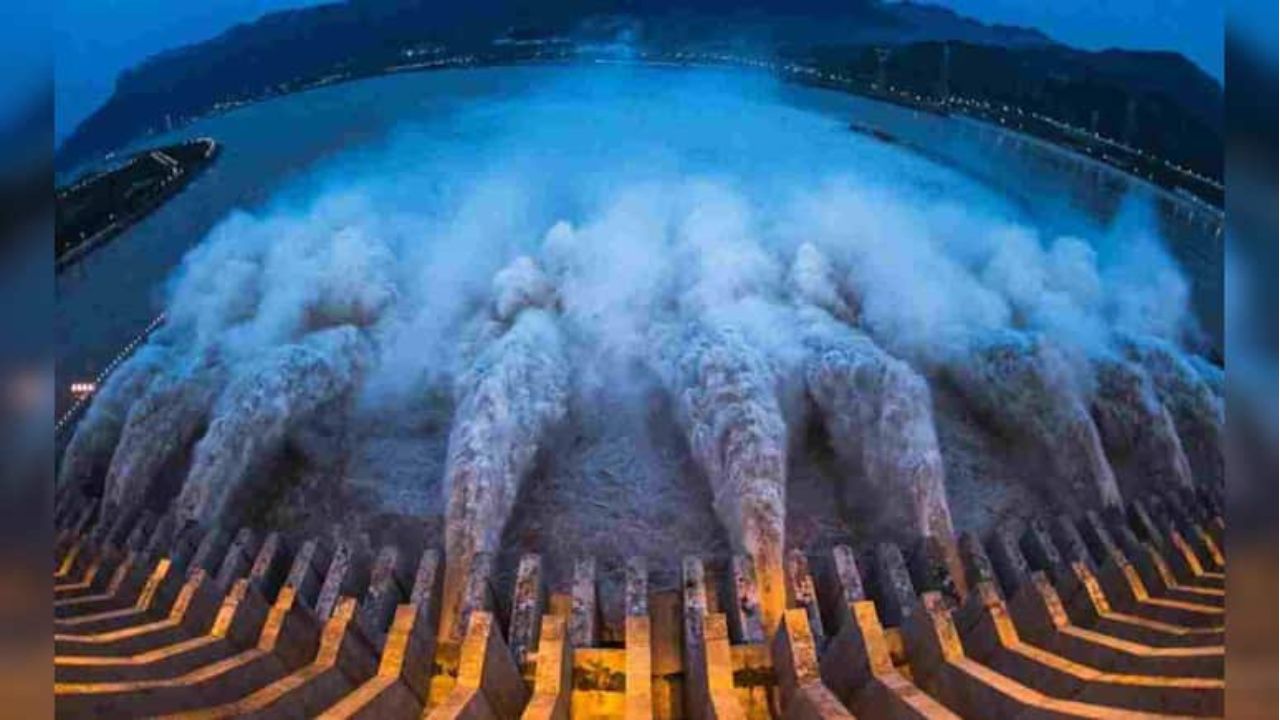
It is also emerging that China is going ahead with the construction of a large hydropower dam on the river Yarlung Tsangpo, flowing through Tibet, that has serious implications regarding water security, ecology.
and the sustenance of millions of people downstream in India and Bangladesh. The river, known as the Yarlung Tsangpo, originates on the Tibetan Plateau and further flows into India’s northeast, where it is known as the river Brahmaputra, before merging into Bangladesh. The river’s natural flow, according to Indian authorities, could get seriously affected if major interventions occur downstream.
The hydropower project currently under construction in China is estimated to be “one of the world’s largest hydropower projects” and consists of a series of dams and associated infrastructure in the lower reaches of the Yarlung Tsangpo river in southeastern Tibet; and this project has already broken ground with Chinese Premier Li Qiang attending a groundbreaking ceremony in this area known for its very rugged topography and deep gorges. Estimated costs of this project are currently over 160 billion to 167 billion dollars and is capable of producing tens of thousands of megawatts of electric power through the steep drop of the river on the Tibetan Plateau.
China considers the project to be a strategy aimed at meeting its needs for renewable energy sources in order to cut reliance on fossil fuels. Beijing, however, has assured the international community, including the Indian government, of the absence of negative impacts of the project on the downstream waters.
It is reported that the Chinese government began the work of studying the environment of the waters for the proposed hydropower project. However, the efforts of the Chinese government to satisfy the concerns of the Indian government regarding the project seem to be producing minimal results.The project in India has also raised concern about the dangers it may present, according to officials and experts there.
The Arunachal Pradesh state, which is located in the northeastern part of India, has labeled the hydroelectric project a “ticking water bomb,” explaining that the determination of the time and amount of the released water would directly influence the availability of this resource in the Siang belt and Assam valleys, particularly during the dry season and the rainy season. Arunachal Pradesh Chief Minister Pema Khandu further states:Environmental scientists hydrologists also refer to the ecological vulnerability of the region in which the dam will be erected.
The region in which the dam will be erected, the Yarlung Tsangpo river basin, contains a seismic zone of the Himalayas in which landslides, earthquakes, as well as flood risks can be considered natural events; in fact, these could be a threat to large dams in particular. The changed sediment transport in the dam could influence the downstream transportation of nutrient-rich sediment necessary for sustaining the fertility of floodplains in India and Bangladesh. Apart from environment and technology issues, there are other geopolitics involved in the China project.
The Brahmaputra is a strategic river, and any hint of control over this river triggers tensions between China and India, not tomention that both are also fighting over their shared boundaries and attempting to shape South Asia according to their needs. However, there are analysts who believe that water could be used as a resource in this regional race, although this project is strictly intended for generating electricity.“India is carefully monitoring the developments in the Tibet region. Also, the government says that it is holding talks with the Chinese government so that the upper-stream activities do not have any negative impact on the water security ecosystem or the well-being of people dependent on the Brahmaputra River,” according to report.
Read more : PM Modi honoured with prestigious “Order of Oman” on December 18th