
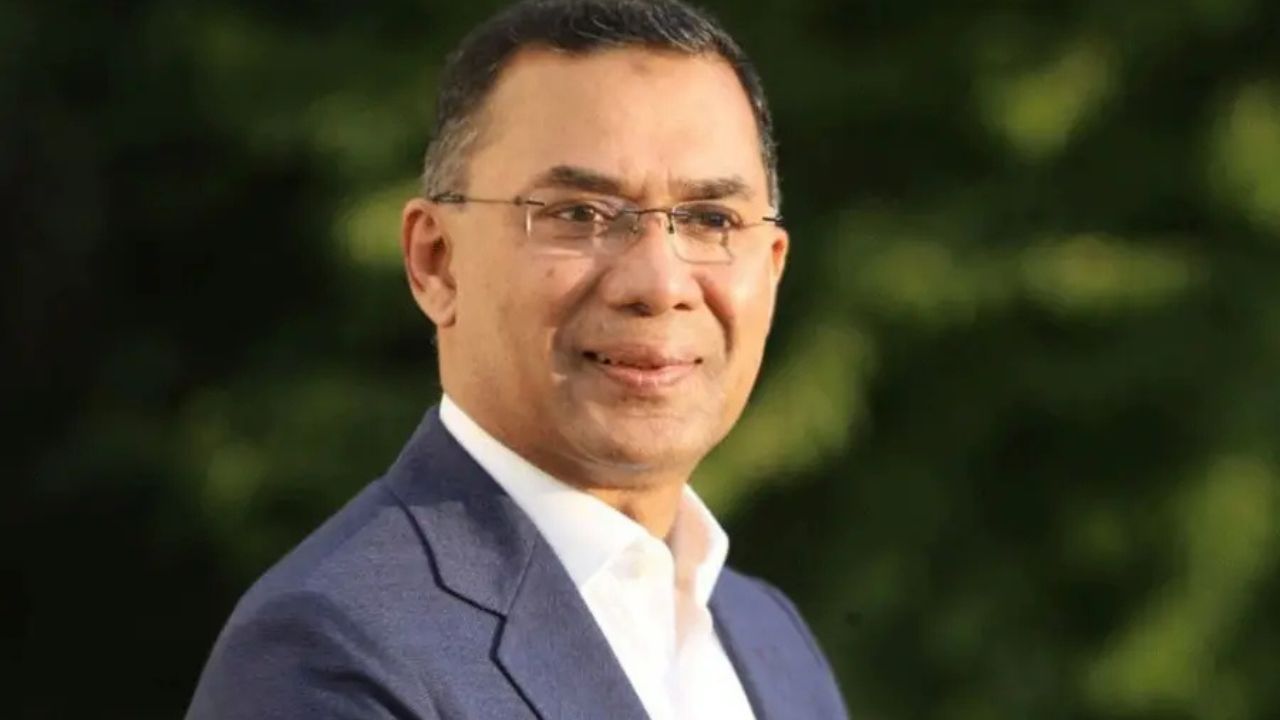
Tarique Rahman, the influential opposition leader of Bangladesh and a serious contender for the prime minister’s seat, arrived in the country on Thursday after almost 17 years into his exile, marking a major turning point in the nation’s shifting political landscape.
Tarique Rahman homecoming comes ahead of general elections scheduled for February and at a time of deep political uncertainty following the removal of longtime leader Sheikh Hasina last year. Rahman, 60, is the acting chief of the Bangladesh Nationalist Party (BNP), one of the country’s biggest political parties. He had been living in London since 2008 when he left Bangladesh citing politically motivated persecution.
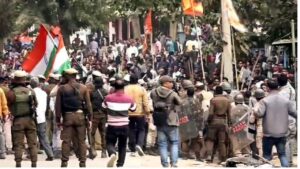
The return of Tarique Rahman to Dhaka was treated as a grand welcome, with hundreds of thousands of BNP supporters lining up the route from the airport to the reception venue. Supporters waved party flags, carried banners and flowers, and chanted slogans welcoming him back as senior BNP leaders received him amidst tight security.Wearing a light grey finely chequered blazer over a white shirt, a smiling Rahman waved at cheering crowds as his motorcade passed through the capital.
The BNP had said it hoped to mobilize up to five million supporters in Dhaka for what it called an unprecedented show of strength. Rahman is widely expected to contest the race for the prime minister’s post as the front-runner. He would take over the mantle of formal leadership from his 80-year-old ailing mother, former Prime Minister Khaleda Zia, who has been seriously ill for months. Party officials said Rahman would attend a public reception before visiting his mother.
Tarique Rahman’s return to the country comes at a very critical time for the BNP, which had been regaining momentum since the ouster of Sheikh Hasina in 2024 after a student-led uprising. Observers said Rahman fills the leadership vacuum within the party ahead of a fragile transition. Commenting on the move, reports said, Rahman’s arrival comes as the future for Bangladesh remains tumultuous and uncertain.
While a date has been announced, there was no indication of the date for elections, he observed, stating, “BNP is without clear leadership, because Khaleda Zia has been ill. Tarique Rahman is stepping in to fill that vacuum.” Adding, “His return can help solidify the party and mark a direction the campaign takes.”A soothing balm for political polarisation is also expected to be provided by Rahman, although controversy remains over the exclusion of Hasina’s Awami League in the election.
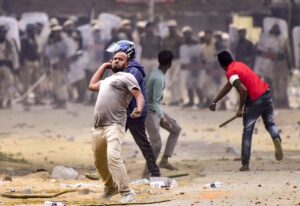
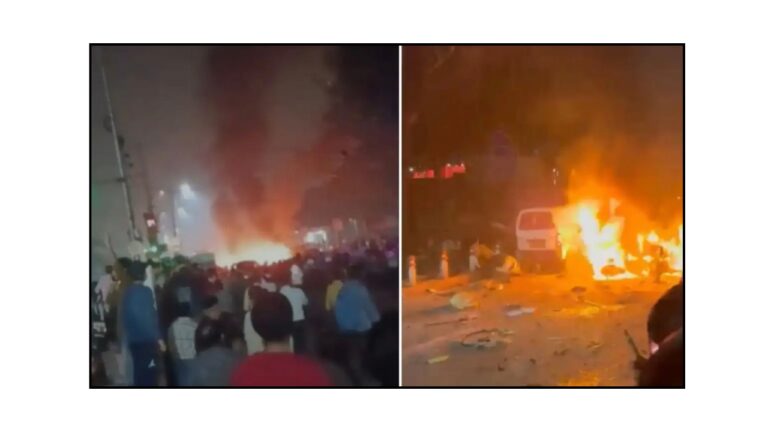
Critics say that without the participation of the former ruling party, the inclusiveness of the vote may be short-circuited. There have also been warnings of unrest from backers of Hasina, amidst apprehensions of disruptions during the election period.
For years, Tarique Rahman was not able to return to the country because numerous criminal cases were filed against him. He was convicted in absentia on charges including money laundering and in a case related to an alleged plot to assassinate Hasina. Those verdicts, however, were overturned after Hasina’s ouster from power last year and thus removed the legal hurdles to Tarique Rahman’s return.
Tarique Rahman had originally left Bangladesh seeking medical treatment after he was allegedly tortured while in custody during the military-backed government that ruled from 2006 to 2008. His long absence turned him into a symbolic figure for BNP supporters, many of whom viewed him as a victim of political persecution.
For decades, the political history of Bangladesh has been marked by rivalry between Sheikh Hasina and Khaleda Zia, both of whom alternated in wielding power in the country. Khaleda Zia entered politics after the assassination of her husband, former military ruler and President Ziaur Rahman, in 1981. Political turmoil worsened in 2006 when a caretaker government backed by the army seized power amid a wave of unrest.
Recent polls indicate that the BNP is in a good position for the election. An International Republican Institute poll conducted by US-based in December suggested the party might take the most seats in parliament, along with the Jamaat-e-Islami as another strong contestant. The interim government led by Nobel laureate Muhammad Yunus has also said it will try to guarantee a free and peaceful election, but there have been some attacks on media groups and other sporadic violence. His return is, therefore, being considered pivotal for the BNP and Bangladesh also, which braces up for a highly portentous election amidst an evolving and uncertain political transition.