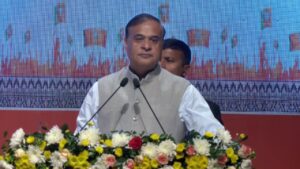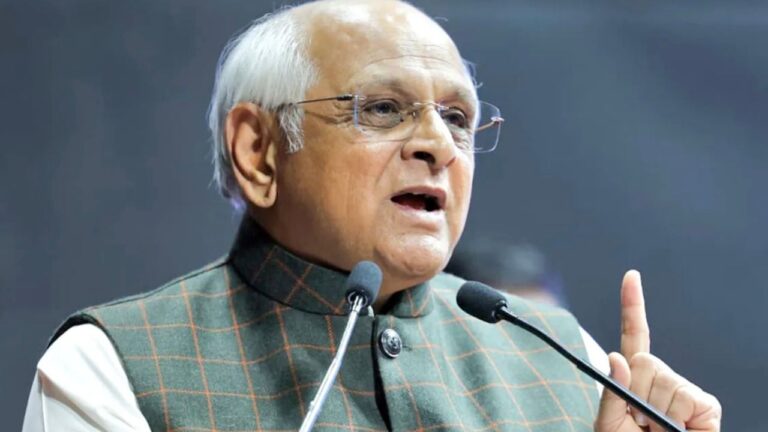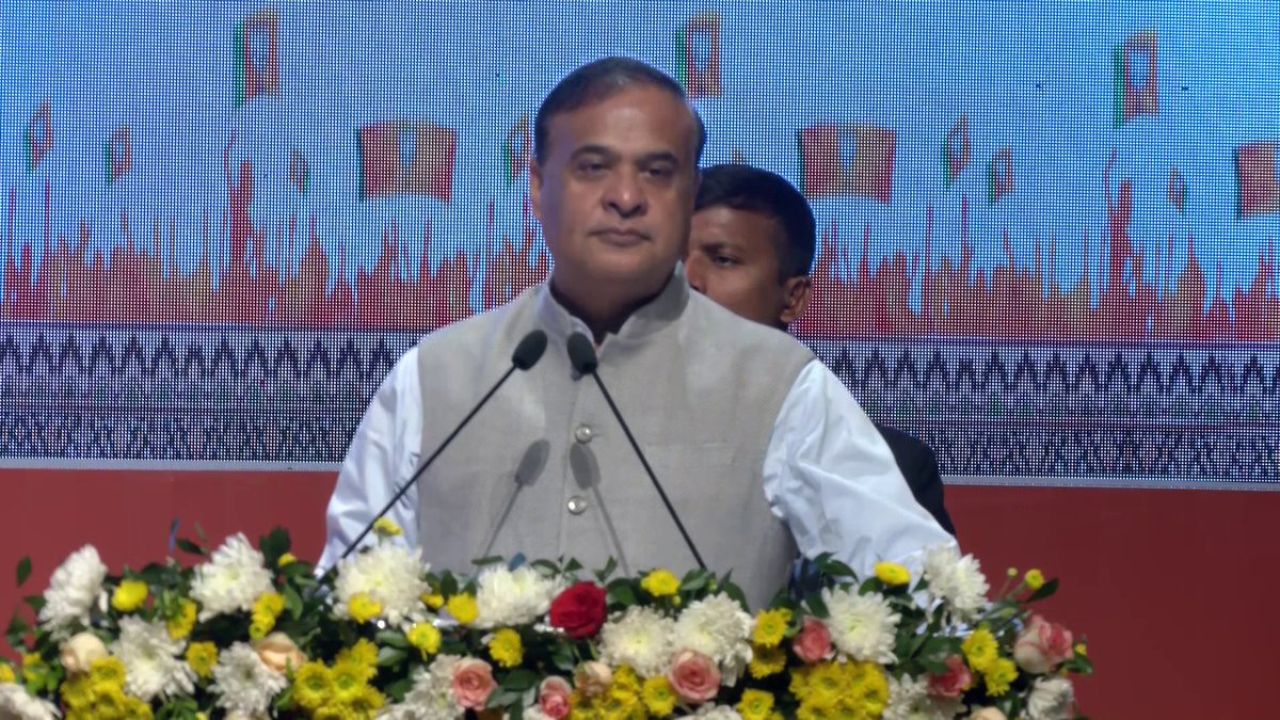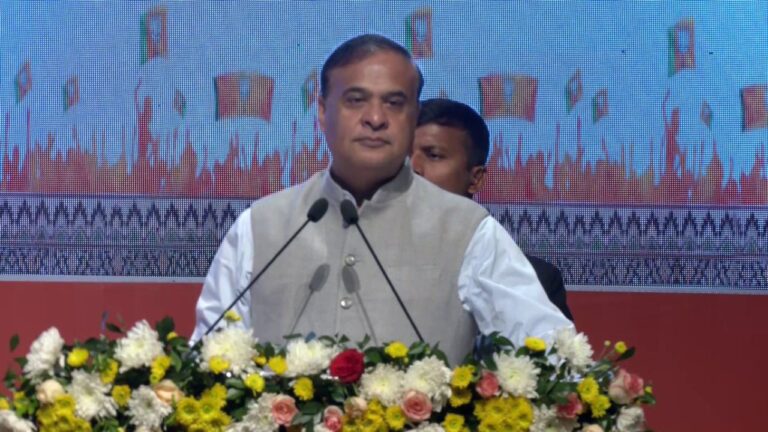


Assam CM Himanta Biswa Sarma has expressed his growing apprehensions with regard to the regional security, demographic change, and the fresh changing political environment in Bangladesh, threatening that the Northeast is at an unprecedented crossroads of challenges.
On Monday, speaking exclusively at a Conclave, CM Sarma expressed surprise that mere diplomacy might not work anymore in facing the crisis situation in India’s neighbourhood and dubbed the situation as threatening and getting dangerous for a border state like Assam.
Referring to the continuing unrest in Bangladesh, Sarma said the window for diplomatic solutions was fast narrowing. Bringing in a medical analogy, he said that while “medicine” works initially, a permanent cure sometimes requires “surgery.” Sarma asserted that instability in Bangladesh had direct consequences on India’s security, particularly in the Northeast.
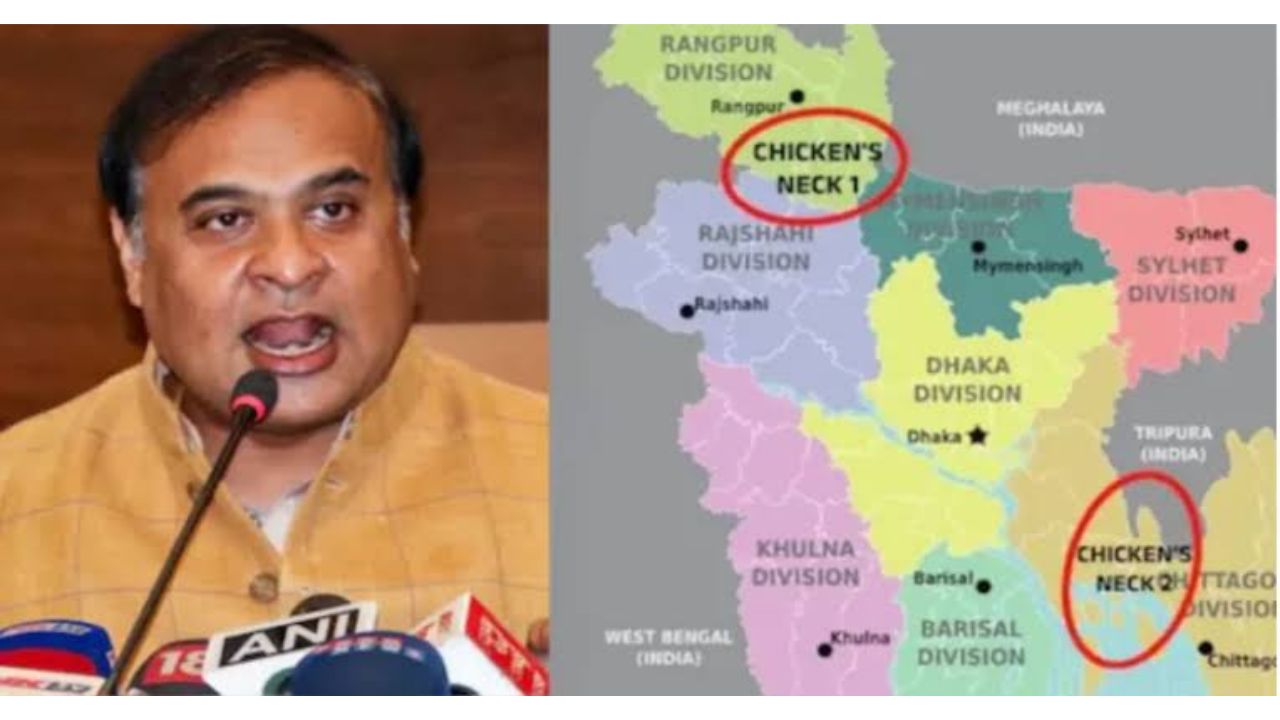
It included the Siliguri Corridor, popularly known as the “Chicken Neck,” the narrow stretch of land that links the Northeast to the rest of India. He termed it the most vulnerable strategic point in the country, pointing out that Bangladesh lies on both sides of this corridor. Given this, India might have to reclaim 20–22 kilometres of land to secure the region, either through diplomacy or with stronger measures if required, Sarma said. He termed the issue an “unfinished agenda” and said decisions on timing and approach rest with the central government, while appealing for patience and restraint to await the right moment.
Coming to Bangladesh’s interim dispensation, CM Sarma expressed deep skepticism about the Mohammed Yunus-headed government lasting long. He said the current regime had brought on conditions that were deeply disquieting for India, particularly for states sharing borders with Bangladesh. While elections in Bangladesh might somewhat stabilise the situation, CM Sarma went on to say the present crisis was unlike anything India had faced in the past.
Sarma also revisited the 1971 war, questioning the decisions taken by then Prime Minister Indira Gandhi. In his view, India could have sought territorial adjustments at that time and permanently sorted out many vulnerabilities linked to the Siliguri Corridor. Since that opportunity was missed, he argued, India still faces strategic risks about the corridor decades later.
Criticising the policies of the Congress era, CM Sarma presented Demographic and security challenges of the present day as linked to decisions made around Partition. He felt if a referendum had been held, Hindus in what was then East Pakistan would have opted to join India. Flawed decisions, instead, forced many unwilling people to stay behind, he said, setting off long-term demographic pressures and instability that continue to burn bright today.
The Assam CM also referred to incidents of violence against Hindus in Bangladesh, like the killing of a certain Dipu. He explained that violence against any human being was not acceptable, whatever one’s religion. But he did add that if someone was targeted because of his or her religious identity, the anger and concern would be greater.
CM Sarma raised some serious demographic concerns and said that almost 40 per cent of Assam’s population is now of Bangladeshi origin-a sharp rise from the estimated 10-15 per cent at the time of Independence. He said that the state was “sitting on a powder keg” and unless some serious precautions are taken, the day may not be far when, by reason of unchecked demographic changes, society and polity would get seriously impacted.
Ahead, he said that during the 2027 census, the Hindu and Muslim populations in Assam are likely to be equal, thereby making governance increasingly complex.Sarma further alleged that post-Hasina Bangladesh was fast galloping towards extremism, a direction in which India could not go. Differences, he warned, were just a matter of time as ideologies and security priorities needed diverging.
While ending the interview, Sarma cited unique vulnerability for Assam as a border state. He says with increasing external threats and internal demographic changes rapidly taking place, the state has reached a juncture where difficult and decisive choices could no longer be postponed.
Also read: What Is Really Going On in Karbi Anglong ? 10 Key Points on Protests Shaking Assam