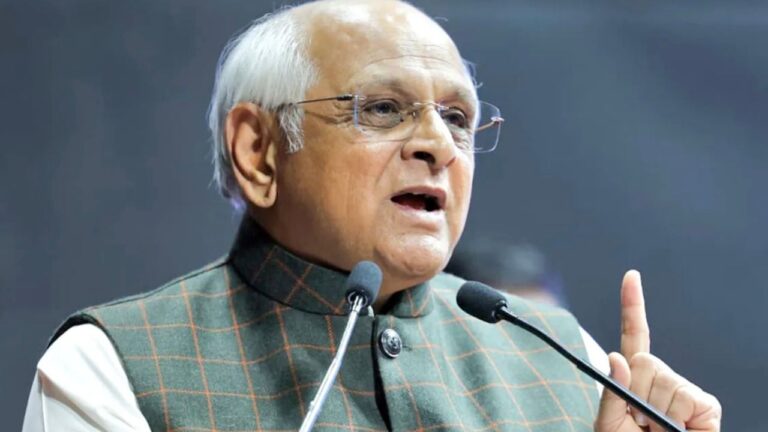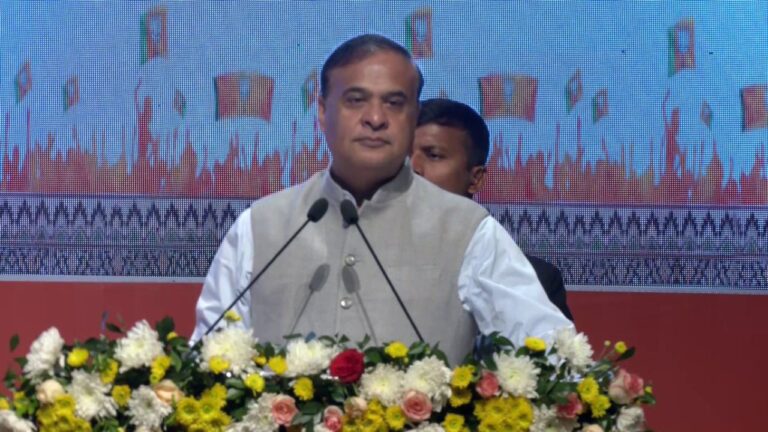


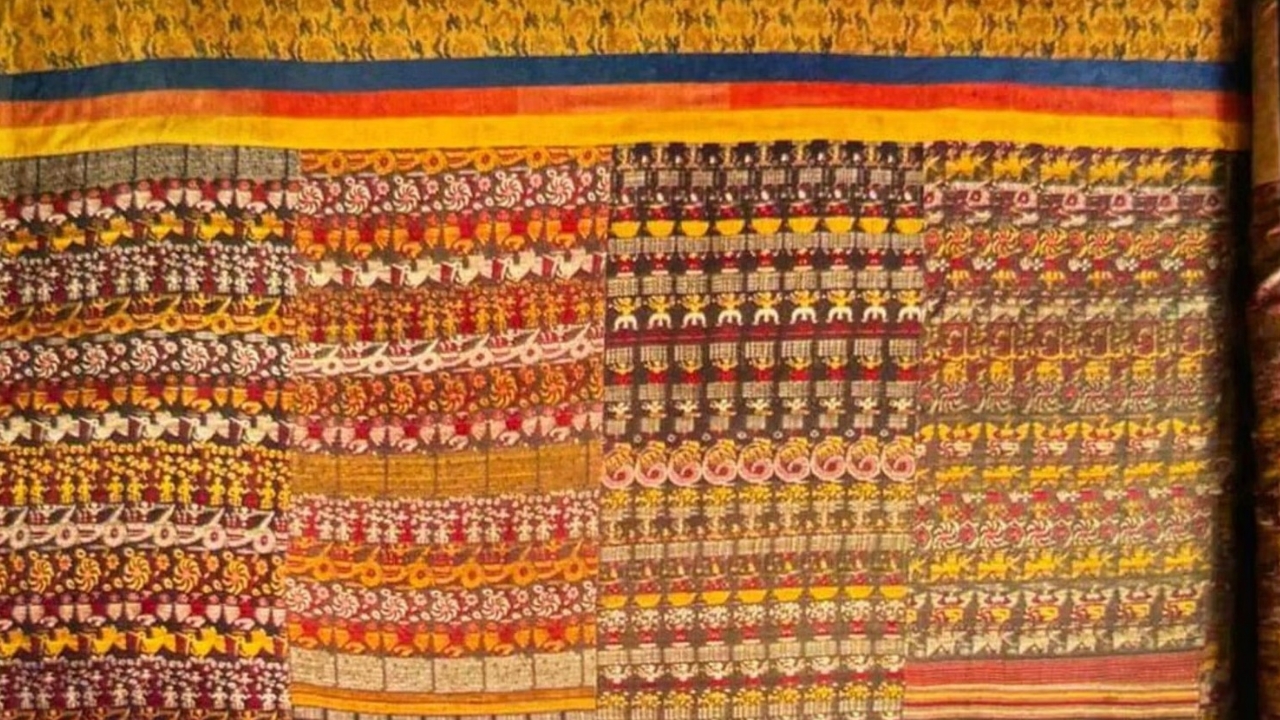
In a culturally defining moment for Assam, the chief minister, Himanta Biswa Sarma, declared on Thursday that the presiding Vrindavani Vastra
– an exquisite textile masterpiece woven under the aegis of Mahapurush Srimanta Sankardeva – will come back to Assam so it can be publicly showcased. The centuries-old artifact will be brought to the state for six months from museums in Britain and France, marking a symbolic coming home of it after being abroad for centuries.
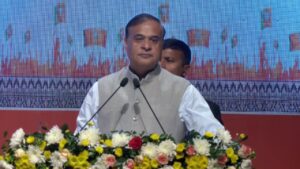
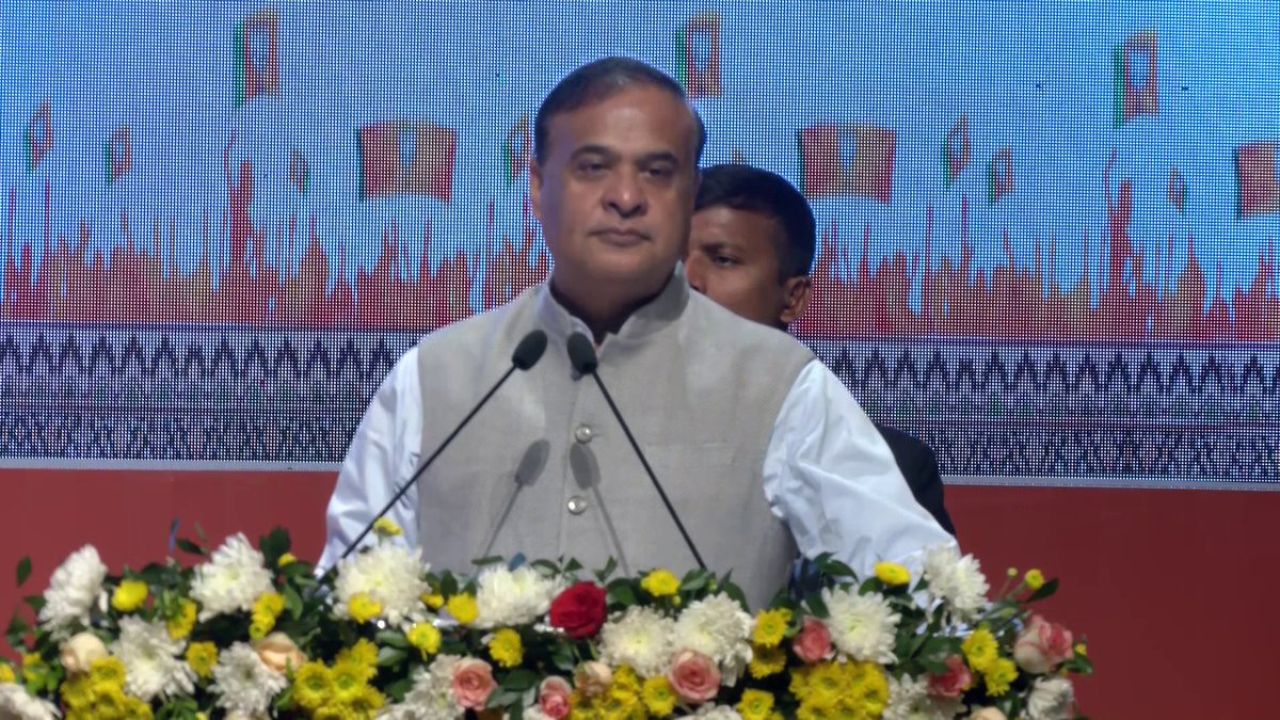
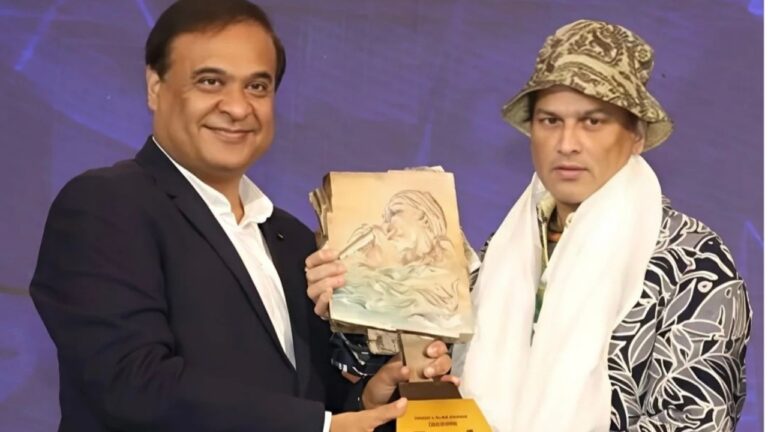
The Chief Minister announced the news on a live broadcast on social media to all citizens. “On November 15, I will go to London. Some months ago, I mentioned that efforts have been underway to bring the Vrindavani Vastra back to Assam. Now, an agreement will be signed between the museum in London and the Assam government. For the first time, the Vrindavani Vastra will be brought to the state for six months,” he said.
Dr. Sarma further disclosed that discussions in London will revolve around the long-term display and preservation of the holy textile. “This has been a long-cherished wish of mine — to bring the Vastra home. We will discuss what kind of museum is needed to preserve it and explore the best ways to house it in Assam,” he added.
The Chief Minister will stay in London till November 17 and will return to Assam on November 18, bringing an end to what is expected to be a landmark diplomatic and cultural visit.
The Vrindavani Vastra is often regarded as one of the greatest artistic treasures of Assam’s Vaishnavite tradition, originally woven in the 16th century under the spiritual vision of Srimanta Sankardeva and at the request of King Naranarayan. This intricate textile depicts episodes from the life of Lord Krishna in rich silk and natural dyes-a unique confluence of faith, artistry, and devotion.
The announcement comes months after the Assam government was in advanced talks with the British Museum for the temporary return of the textile. Dr. Sarma had tweeted on August 30 that the museum had agreed to loan the Vrindavani Vastra to Assam for 18 months subject to certain conditions.One of the conditions was to create a digital experience, wherein the British Museum in London would connect with the Srimanta Sankardev Kalakshetra in Guwahati via a live feed, making it possible for people in Assam to virtually see the Vastra’s presence much before it physically arrived.
The second-and probably the most important-one was the setting up in Assam of a world-class museum that conformed to international norms relating to the preservation and security of heritage artifacts.
The British Museum officials, after a thorough inspection of the facilities at the Kalakshetra and the Assam State Museum, said that the existing infrastructure fell short of the requirement for hosting the textile and promised all cooperation with the Assam government in creating the infrastructure necessary for preserving it.
“They informed us that if such a museum is built, they are working towards loaning the textile to both in Mumbai and to Assam by 2027. They will soon share recommendations on environmental and security standards for the proposed museum,”
Dr. Sarma explained.To Assam, the return of the Vrindavani Vastra is not just an exhibition; it is an emotional and spiritual homecoming. Woven with devotion and entwined with centuries of heritage, the Vastra symbolizes the golden era of both Assamese art and faith. When it comes back to the state, even if for a short time, this revives a deep cultural connection across time and geography.
With the plans for this historic display underway, excitement can be felt across the state. Scholars, devotees, and lovers of art anxiously wait for the day when they can stand in front of the masterpiece-a living testament to Assam’s creative spirit and the enduring legacy of Srimanta Sankardeva.